






 자료
자료 영상자료
영상자료Check Out: How Fireplace Surround Is Gaining Ground And What Can We Do…
페이지 정보
작성자 L*no 작성일24-10-22 05:12 조회132회 댓글0건관련링크
본문
Choosing a Fireplace Surround
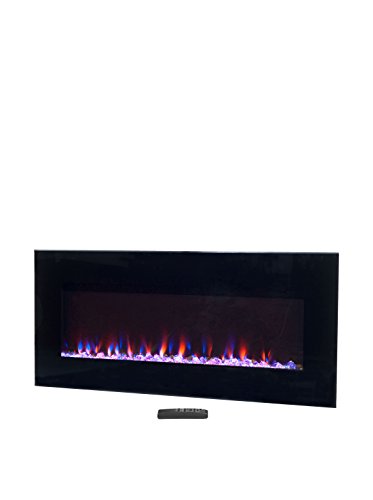 If you are using a fireplace for warmth or aesthetics, the right surround can make your living space more unique. But choosing a fireplace surround that meets the requirements of code and is safe could be a difficult task.
The custom-built surrounds are constructed from non-combustible material that adheres to the National Fire Code. They can look great in any style home.
Simple Concrete Surround with Slabs of Marble
A fireplace surround can be the focal point of the room, and can add warmth and charm. It can be constructed from various materials and crafted to match different styles of design. It is important to think about the style of the room and the budget before choosing the design of a fireplace surround.
Marble fireplace surrounds are an elegant option that can be paired with a wide variety of styles. They can be combined with woods that are rustic or modern metals to create a unique, modern design. Marble is easy to maintain, and can withstand high temperatures making it a good option for a border.
Stone is a popular material for fireplace surrounds. It offers a timeless appeal that can be found in a variety of homes. It can be carved and polished to give it a more contemporary style or left untreated for a more traditional feel. Stacked stone veneers may also be used to add depth and texture to a room.
Granite is a popular choice for modern fireplace surrounds due to the fact that it's strong and resistant to heat very well. It is also available in a variety of patterns and colors, so it can be used to create various styles of design. Quartzite is a second option that can be shaped and formed to fit into a contemporary fireplace surround.
The installation of a concrete surround for a fireplace might be possible for DIYers. It may seem like a daunting task, but it can be much easier than you think when you collaborate with an expert and plan ahead.
It's also a good idea to consult with an expert when making a fireplace surround of marble since it requires special care to avoid damage. A skilled carpenter can help avoid mistakes that could cost you thousands of dollars in repairs.
If you plan to use tile as an interior fireplace surround, be sure that it is rated for high temperatures. You'll typically find this information on the package or ask an employee at a home improvement shop.
Leaning Frame Surround
The fireplace surround is a vital design element that can change the whole space. It's not just designed to look beautiful, but also serves a practical purpose that is to shield the wall behind the fireplace from damage caused by fire and also to help reflect heat away from the room. It's available in various materials and can be customized to suit any style or design.
Choosing the right material for the frame's leaning surround is crucial to create an intentional design. Concrete is a great option because it's extremely durable and non-flammable. It also has an appealing visual appeal due to its natural texture and color. It's usually placed into a mold giving you the ability to create a unique shape for your fireplace surround.
Layers are essential when creating your leaning frames. This makes the piece appear curated and intentional instead of being randomly placed on the wall or Electric fireplaces electric (Tagoverflow.Stream) shelf. Leaning frames can be risky If you're planning to display heavy objects like lamps or vases, put a small piece of rubber drawer liner under the base to stop them from sliding or damaging surfaces.
If you're using a marble or concrete surround, you might want to consider putting an oak board at the bottom to keep it in place. It will also help reduce the weight and keep the item from moving while you sip your cup of wine or coffee in front of your fireplace.
After you've selected the material you'll use for the frame's leaning surround, it's time to start building the actual piece. First, mark your new wall with the dimensions of the surround and use a saw to cut cleats along each of these marks. Ensure that the top cleat is at least 1 foot longer than the shelf.
Fix the brackets to the wall. Make sure that the bolts go through the backerboard and into the stud. If needed, drill the screw holes. After that, secure the mantel to the backer board. Attach the mantel to the studs with the lag bolts (2-4 bolts per stud). Be sure that the bolts are sufficient to cover 2/3 of the mantel's thickness plus the thickness of the backer board.
Black Firebox Surround
Fireplace surrounds serve an aesthetic and functional function. They shield walls from heat damage and help deflect some heat back into the room and can make a tabletop fireplace a focal point in a room. The most common materials for fireplace surrounds include wood and steel. Metal surrounds can be required by the building code to protect nearby combustible materials or they can enhance the appearance of a fireplace.
This fireplace is a contemporary living room with an all-black surround and white marble accents. The marble is more expensive and requires more care than wood, yet it provides a striking design feature to the space. The black finish also ties together the dark tones in the wood flooring and electric Firesuite furniture to create a cohesive appearance.
While you may think of concrete as sidewalks or driveways, it's an extremely versatile and attractive material for fireplace surrounds. It can be formed into custom shapes and then poured in place, giving virtually unlimited designs. The concrete surround was formed to create a curved design. It creates an elegant and contemporary look that is in contrast to the darker hues of the brick wall and floor.
Another popular material for fireplace surrounds is wood that is available in a wide range of textures and colors to match any style. Wooden surrounds are less heavy and less expensive than masonry surrounds and they can be finished to match the color of your existing hearth pad. Most wooden surrounds are designed to hold ornaments for the mantel, like lamps and vases.
Some wood surrounds have faceplates that cover the top of the mantel and houses the fireplace doors. The faceplate can be attached with decorative fasteners or hinges which resemble the appearance of iron.
It is important to take into consideration the dimensions of your fireplace when choosing a mantel made of wood. To prevent a fire spreading into your home, building codes require minimum clearances. The distance will vary based on what kind of fireplace you have and also from state to state or country country.
Simple Wood Surround
There are a variety of options for surrounds to give your fireplace a traditional style. Some surrounds are entirely solid oak while others are an assortment of materials, including stone legs, paired with mantels made of oak or pine. You can also choose from oak or pine fire surrounds, which are designed to be a low-cost and easy option.
Many people prefer to purchase a pre-made fireplace surround since it's an affordable way to get the style they want without hiring carpenters. Some pre-made pine fireplace surrounds are even available in a range of different finishes so that you can blend it with your existing decor.
Another kind of fire surround made of wood is one that has been handcrafted from high-quality oak. It can be stained with the light oak color or left untreated, allowing the natural light golden brown of the wood to shine through. This fireplace surround can be used with gas or wood fireplaces. It is available in two different styles: arched or flat.
There are a lot of tutorials available online for those who have more experience in DIY home improvement projects. They can help you build your own wooden freestanding fireplace surround. One example is this complete step-by-step tutorial from H2O Bungalow that shows you how to make a rustic-looking wood surround using pine.
The tutorial explains how to construct the horizontal portion of the fireplace surround first. Then, you will learn how to construct the columns or pilasters vertically that support the mantel. When the columns or pilasters are built you can put up your mantel. The tutorial also shows you how to attach the crown molding to cover up any gaps between the cladding and surrounding wall.
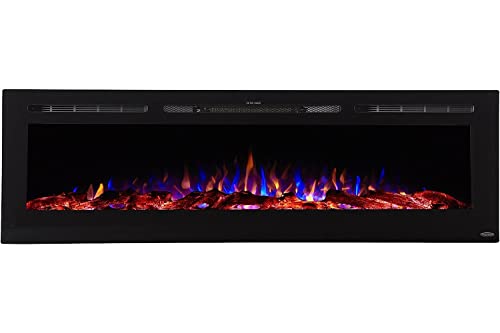 It is essential to adhere to the local fire code when you install a wooden surround around a fireplace. It is recommended to keep the surround at least 6 inches from the edge of the opening. It is also crucial to use a non-flammable adhesive to attach the decorative molding, and to ensure that it remains in place when the surround is set.
If you are using a fireplace for warmth or aesthetics, the right surround can make your living space more unique. But choosing a fireplace surround that meets the requirements of code and is safe could be a difficult task.The custom-built surrounds are constructed from non-combustible material that adheres to the National Fire Code. They can look great in any style home.
Simple Concrete Surround with Slabs of Marble
A fireplace surround can be the focal point of the room, and can add warmth and charm. It can be constructed from various materials and crafted to match different styles of design. It is important to think about the style of the room and the budget before choosing the design of a fireplace surround.
Marble fireplace surrounds are an elegant option that can be paired with a wide variety of styles. They can be combined with woods that are rustic or modern metals to create a unique, modern design. Marble is easy to maintain, and can withstand high temperatures making it a good option for a border.
Stone is a popular material for fireplace surrounds. It offers a timeless appeal that can be found in a variety of homes. It can be carved and polished to give it a more contemporary style or left untreated for a more traditional feel. Stacked stone veneers may also be used to add depth and texture to a room.
Granite is a popular choice for modern fireplace surrounds due to the fact that it's strong and resistant to heat very well. It is also available in a variety of patterns and colors, so it can be used to create various styles of design. Quartzite is a second option that can be shaped and formed to fit into a contemporary fireplace surround.
The installation of a concrete surround for a fireplace might be possible for DIYers. It may seem like a daunting task, but it can be much easier than you think when you collaborate with an expert and plan ahead.
It's also a good idea to consult with an expert when making a fireplace surround of marble since it requires special care to avoid damage. A skilled carpenter can help avoid mistakes that could cost you thousands of dollars in repairs.
If you plan to use tile as an interior fireplace surround, be sure that it is rated for high temperatures. You'll typically find this information on the package or ask an employee at a home improvement shop.
Leaning Frame Surround
The fireplace surround is a vital design element that can change the whole space. It's not just designed to look beautiful, but also serves a practical purpose that is to shield the wall behind the fireplace from damage caused by fire and also to help reflect heat away from the room. It's available in various materials and can be customized to suit any style or design.
Choosing the right material for the frame's leaning surround is crucial to create an intentional design. Concrete is a great option because it's extremely durable and non-flammable. It also has an appealing visual appeal due to its natural texture and color. It's usually placed into a mold giving you the ability to create a unique shape for your fireplace surround.
Layers are essential when creating your leaning frames. This makes the piece appear curated and intentional instead of being randomly placed on the wall or Electric fireplaces electric (Tagoverflow.Stream) shelf. Leaning frames can be risky If you're planning to display heavy objects like lamps or vases, put a small piece of rubber drawer liner under the base to stop them from sliding or damaging surfaces.
If you're using a marble or concrete surround, you might want to consider putting an oak board at the bottom to keep it in place. It will also help reduce the weight and keep the item from moving while you sip your cup of wine or coffee in front of your fireplace.
After you've selected the material you'll use for the frame's leaning surround, it's time to start building the actual piece. First, mark your new wall with the dimensions of the surround and use a saw to cut cleats along each of these marks. Ensure that the top cleat is at least 1 foot longer than the shelf.
Fix the brackets to the wall. Make sure that the bolts go through the backerboard and into the stud. If needed, drill the screw holes. After that, secure the mantel to the backer board. Attach the mantel to the studs with the lag bolts (2-4 bolts per stud). Be sure that the bolts are sufficient to cover 2/3 of the mantel's thickness plus the thickness of the backer board.
Black Firebox Surround
Fireplace surrounds serve an aesthetic and functional function. They shield walls from heat damage and help deflect some heat back into the room and can make a tabletop fireplace a focal point in a room. The most common materials for fireplace surrounds include wood and steel. Metal surrounds can be required by the building code to protect nearby combustible materials or they can enhance the appearance of a fireplace.
This fireplace is a contemporary living room with an all-black surround and white marble accents. The marble is more expensive and requires more care than wood, yet it provides a striking design feature to the space. The black finish also ties together the dark tones in the wood flooring and electric Firesuite furniture to create a cohesive appearance.
While you may think of concrete as sidewalks or driveways, it's an extremely versatile and attractive material for fireplace surrounds. It can be formed into custom shapes and then poured in place, giving virtually unlimited designs. The concrete surround was formed to create a curved design. It creates an elegant and contemporary look that is in contrast to the darker hues of the brick wall and floor.
Another popular material for fireplace surrounds is wood that is available in a wide range of textures and colors to match any style. Wooden surrounds are less heavy and less expensive than masonry surrounds and they can be finished to match the color of your existing hearth pad. Most wooden surrounds are designed to hold ornaments for the mantel, like lamps and vases.
Some wood surrounds have faceplates that cover the top of the mantel and houses the fireplace doors. The faceplate can be attached with decorative fasteners or hinges which resemble the appearance of iron.
It is important to take into consideration the dimensions of your fireplace when choosing a mantel made of wood. To prevent a fire spreading into your home, building codes require minimum clearances. The distance will vary based on what kind of fireplace you have and also from state to state or country country.
Simple Wood Surround
There are a variety of options for surrounds to give your fireplace a traditional style. Some surrounds are entirely solid oak while others are an assortment of materials, including stone legs, paired with mantels made of oak or pine. You can also choose from oak or pine fire surrounds, which are designed to be a low-cost and easy option.
Many people prefer to purchase a pre-made fireplace surround since it's an affordable way to get the style they want without hiring carpenters. Some pre-made pine fireplace surrounds are even available in a range of different finishes so that you can blend it with your existing decor.
Another kind of fire surround made of wood is one that has been handcrafted from high-quality oak. It can be stained with the light oak color or left untreated, allowing the natural light golden brown of the wood to shine through. This fireplace surround can be used with gas or wood fireplaces. It is available in two different styles: arched or flat.
There are a lot of tutorials available online for those who have more experience in DIY home improvement projects. They can help you build your own wooden freestanding fireplace surround. One example is this complete step-by-step tutorial from H2O Bungalow that shows you how to make a rustic-looking wood surround using pine.
The tutorial explains how to construct the horizontal portion of the fireplace surround first. Then, you will learn how to construct the columns or pilasters vertically that support the mantel. When the columns or pilasters are built you can put up your mantel. The tutorial also shows you how to attach the crown molding to cover up any gaps between the cladding and surrounding wall.
It is essential to adhere to the local fire code when you install a wooden surround around a fireplace. It is recommended to keep the surround at least 6 inches from the edge of the opening. It is also crucial to use a non-flammable adhesive to attach the decorative molding, and to ensure that it remains in place when the surround is set.댓글목록
등록된 댓글이 없습니다.