






 자료
자료 영상자료
영상자료Fitting Cat Flap in UPVC Door Panel
페이지 정보
작성자 M*kenzie 작성일24-10-28 21:30 조회122회 댓글0건관련링크
본문
Cat flaps allow your pet to leave and come back as they please without you having to let them in or out. They also help keep your cat from having to go to the bathroom in the house.
Installing a cat flap into a door panel made of Upvc is a lot easier than a glass door, but it does require some skills and the right tools.
Measure the Door
Installing a cat flap on a door can be tricky but if you select the right kind of cat flap installers near me flap make sure you take your time and follow the instructions provided it should not prove to be too much trouble. We will demonstrate how to draw the shape and then use a jigsaw in order to cut the door's opening. Then, we'll finish the job by attaching the flap. This will ensure that the flap stays in place and protects the door from rain and wind which can cause damage.
The first thing to do is determine the width of your pet to get an accurate measurement of the size of cat flap you will require. This will ensure that the flap is big enough to let your pet go inside and out of the house without needing to open and close the door each time, but it is also small enough to keep the pet from straying too far in either direction.
If your kit comes with an illustration of where to drill, you can stick it on the door and then draw a pencil around it. If your door has moulding or sill on the bottom of it ensure that you have enough clearance from these because this will keep your cat safe and prevent them gaining access to your home.
Use a set square to check that you're cutting properly and to make sure the hole is a good rectangle shape. Once you are happy with this, you can begin removing the remaining door material. If you own an already-cut square, use it to ensure that you're cutting properly and to make sure the hole is a good rectangle shape, once you are satisfied with the shape, you can start to remove the remaining door material.
Draw a Line
The cat flap is a great way to let your pet in and out without having to worry about them being in the house with a visitor, or leaving unwanted gifts inside the home. It also prevents drafts and helps keep the temperature inside your home in a stable manner. Installing a cat flap installation bristol flap on your door may seem daunting to those who haven't tried it before. Many people will call an expert joiner or carpenter to do the work. While this is certainly an option, it's possible to do the job yourself if you have the right tools and follow the instructions carefully.
While this is far simpler to accomplish when using a timber door it is still possible in uPVC doors - although you need to be very careful not to scratch the doors, as this can invalidate the warranty. The first step in the process is to measure the door and ensure that it is able to be able to accommodate the new cat flap. This isn't too difficult when you have the standard upvc door panels with cat flap door, however you may need to take extra care if you are using a composite or other type of door since these can be more difficult to cut into than solid uPVC panels.
Next, you will need to determine the height of your belly for your cat. This is the distance from the floor to the bottom of the cat's stomach and you'll need locate a place near the door where this measurement is within the range your cat is able to comfortably walk through. Once you've figured out the measurements you'll have to mark the area using a spirit level and a pencil so that you are sure that the opening will fit your cat.
After you have marked the area, it's now time to cut the hole. It is important to be patient and use a jigsaw in order to ensure that the cuts are clean and smooth, not rough and uneven. This could damage your door. Wear safety glasses and a dust mask when using a Jigsaw. Inhaling sawdust can be harmful for your health. After you have finished cutting the hole, you will need sandpaper to smooth the edges so that the cat flap can be easily inserted into the hole.
Cut a hole
Installing a cat flap into an existing door panel or double glazing sealed unit is quite difficult. You may be tempted to do it yourself, but unless you have experience in DIY it is recommended to hire a professional to do the task for you. A mistake could not only be ugly and unattractive, but could also be security risks. It could allow cold air in when the cat is outside and hot air to escape when inside.
The hole's location should be marked on the door with an eraser and a spirit level. This will ensure it is properly positioned and is flush with the rest of the door. It is important to have some sandpaper on ready to smooth any edges.
After the line is drawn, you can cut the hole using a jigsaw. Be sure to wear any safety equipment when working with an electric tool. If you are concerned about the sound of a jigsaw you can buy a cordless version which is much quieter and easier to use.
It is essential to only cut away the material needed for the fitment of the cat flap. It is important to leave some extra material for the wall thickness of the flap. However cutting off too much material can cause issues or even damage the door frame.
A door made of upvc could contain a metal frame or panel which could block the microchip cat flap and in this case you'll need to cut an oversize hole so that the metal doesn't come into contact with the wall of the cat flap, if this is done it is important to fill in the oversize gap and render it watertight.
If you want to install a cat flap inside a upvc or double-glazed window with cat flap with frames made of metal, you'll need to consult an expert. They can offer you a brand new piece of glass with the hole already pre-made for the cat flap. This is less expensive than fitting a cat flap in an existing pane that wasn't designed specifically for this purpose.
Install the Flap
Cat flaps give your pet the freedom to come and go anytime they want and let them relax in the home whenever they like. If you've got a uPVC door, it may be difficult to fit a cat flap, particularly if you don't own a glass pane that can be cut for one. If you are willing to install a half-glazed uPVC replacement panel, it's possible to install an additional cat flap. It's not as easy as simply cutting a hole in the door, however there are some things you'll need to do first to ensure it's secure.
A composite, uPVC, or GRP door panel is usually made up of a plastic skin that is attached to an insulating polystyrene core. The material is extremely fragile and care should be taken when cutting through it to avoid causing damage. This type door has a template you can use to make the hole.
After you've marked the location of the hole in your door, now it's time to put in the cat flap. You can pick from a wide range of designs, from simple push-button models to microchip activated ones that allow your pet in. But, regardless of the type of cat flap you pick, it's crucial to ensure that your cat can use the flap without getting trapped outside in bad weather.
It is a good idea to select a circular fitting rather than one that is square, because circles are more securely cut into the door glass. This is because square holes are more likely to crack the glass when they're drilled. This is also a safer choice, as you won't have to drill into the toughened glass which could break and cause harm to your pet or family. This is particularly crucial if you have children or elderly people at home who could be hurt by glass fragments.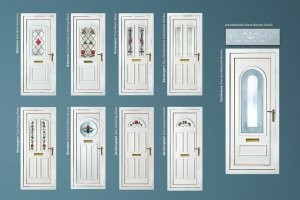
Installing a cat flap into a door panel made of Upvc is a lot easier than a glass door, but it does require some skills and the right tools.
Measure the Door
Installing a cat flap on a door can be tricky but if you select the right kind of cat flap installers near me flap make sure you take your time and follow the instructions provided it should not prove to be too much trouble. We will demonstrate how to draw the shape and then use a jigsaw in order to cut the door's opening. Then, we'll finish the job by attaching the flap. This will ensure that the flap stays in place and protects the door from rain and wind which can cause damage.
The first thing to do is determine the width of your pet to get an accurate measurement of the size of cat flap you will require. This will ensure that the flap is big enough to let your pet go inside and out of the house without needing to open and close the door each time, but it is also small enough to keep the pet from straying too far in either direction.
If your kit comes with an illustration of where to drill, you can stick it on the door and then draw a pencil around it. If your door has moulding or sill on the bottom of it ensure that you have enough clearance from these because this will keep your cat safe and prevent them gaining access to your home.
Use a set square to check that you're cutting properly and to make sure the hole is a good rectangle shape. Once you are happy with this, you can begin removing the remaining door material. If you own an already-cut square, use it to ensure that you're cutting properly and to make sure the hole is a good rectangle shape, once you are satisfied with the shape, you can start to remove the remaining door material.
Draw a Line
The cat flap is a great way to let your pet in and out without having to worry about them being in the house with a visitor, or leaving unwanted gifts inside the home. It also prevents drafts and helps keep the temperature inside your home in a stable manner. Installing a cat flap installation bristol flap on your door may seem daunting to those who haven't tried it before. Many people will call an expert joiner or carpenter to do the work. While this is certainly an option, it's possible to do the job yourself if you have the right tools and follow the instructions carefully.
While this is far simpler to accomplish when using a timber door it is still possible in uPVC doors - although you need to be very careful not to scratch the doors, as this can invalidate the warranty. The first step in the process is to measure the door and ensure that it is able to be able to accommodate the new cat flap. This isn't too difficult when you have the standard upvc door panels with cat flap door, however you may need to take extra care if you are using a composite or other type of door since these can be more difficult to cut into than solid uPVC panels.
Next, you will need to determine the height of your belly for your cat. This is the distance from the floor to the bottom of the cat's stomach and you'll need locate a place near the door where this measurement is within the range your cat is able to comfortably walk through. Once you've figured out the measurements you'll have to mark the area using a spirit level and a pencil so that you are sure that the opening will fit your cat.
After you have marked the area, it's now time to cut the hole. It is important to be patient and use a jigsaw in order to ensure that the cuts are clean and smooth, not rough and uneven. This could damage your door. Wear safety glasses and a dust mask when using a Jigsaw. Inhaling sawdust can be harmful for your health. After you have finished cutting the hole, you will need sandpaper to smooth the edges so that the cat flap can be easily inserted into the hole.
Cut a hole
Installing a cat flap into an existing door panel or double glazing sealed unit is quite difficult. You may be tempted to do it yourself, but unless you have experience in DIY it is recommended to hire a professional to do the task for you. A mistake could not only be ugly and unattractive, but could also be security risks. It could allow cold air in when the cat is outside and hot air to escape when inside.
The hole's location should be marked on the door with an eraser and a spirit level. This will ensure it is properly positioned and is flush with the rest of the door. It is important to have some sandpaper on ready to smooth any edges.
After the line is drawn, you can cut the hole using a jigsaw. Be sure to wear any safety equipment when working with an electric tool. If you are concerned about the sound of a jigsaw you can buy a cordless version which is much quieter and easier to use.
It is essential to only cut away the material needed for the fitment of the cat flap. It is important to leave some extra material for the wall thickness of the flap. However cutting off too much material can cause issues or even damage the door frame.
A door made of upvc could contain a metal frame or panel which could block the microchip cat flap and in this case you'll need to cut an oversize hole so that the metal doesn't come into contact with the wall of the cat flap, if this is done it is important to fill in the oversize gap and render it watertight.
If you want to install a cat flap inside a upvc or double-glazed window with cat flap with frames made of metal, you'll need to consult an expert. They can offer you a brand new piece of glass with the hole already pre-made for the cat flap. This is less expensive than fitting a cat flap in an existing pane that wasn't designed specifically for this purpose.
Install the Flap
Cat flaps give your pet the freedom to come and go anytime they want and let them relax in the home whenever they like. If you've got a uPVC door, it may be difficult to fit a cat flap, particularly if you don't own a glass pane that can be cut for one. If you are willing to install a half-glazed uPVC replacement panel, it's possible to install an additional cat flap. It's not as easy as simply cutting a hole in the door, however there are some things you'll need to do first to ensure it's secure.
A composite, uPVC, or GRP door panel is usually made up of a plastic skin that is attached to an insulating polystyrene core. The material is extremely fragile and care should be taken when cutting through it to avoid causing damage. This type door has a template you can use to make the hole.
After you've marked the location of the hole in your door, now it's time to put in the cat flap. You can pick from a wide range of designs, from simple push-button models to microchip activated ones that allow your pet in. But, regardless of the type of cat flap you pick, it's crucial to ensure that your cat can use the flap without getting trapped outside in bad weather.
It is a good idea to select a circular fitting rather than one that is square, because circles are more securely cut into the door glass. This is because square holes are more likely to crack the glass when they're drilled. This is also a safer choice, as you won't have to drill into the toughened glass which could break and cause harm to your pet or family. This is particularly crucial if you have children or elderly people at home who could be hurt by glass fragments.
댓글목록
등록된 댓글이 없습니다.